Legacy of Dementia
Thursday 11th Jun
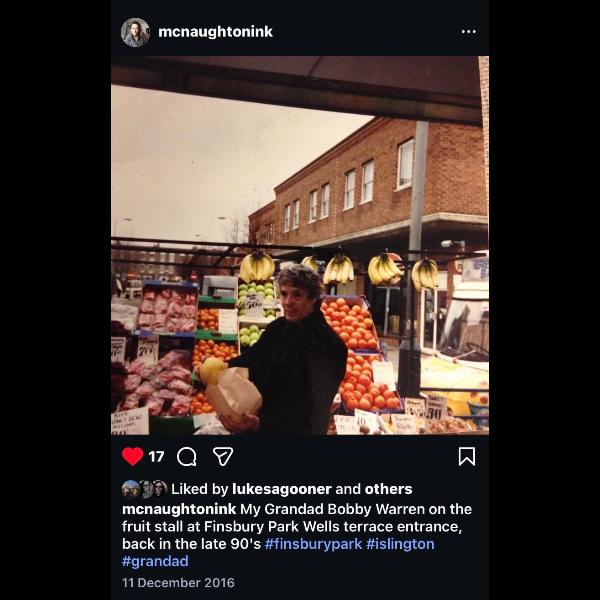
Both my maternal and paternal grandparents and great parents and great uncles and aunts on both sides have had dementia.
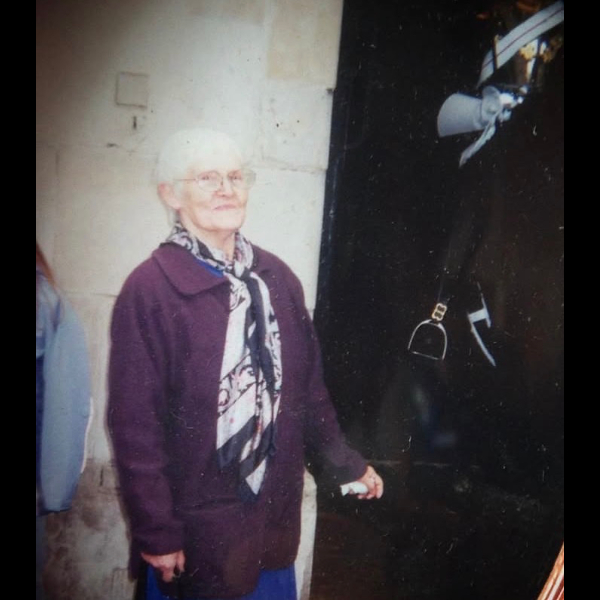
My Irish paternal grandmother spoke of her own mother a mental health nurse working into the turn of the 20th century.
Both my maternal and paternal grandparents and great parents and great uncles and aunts on both sides have had dementia.
My Irish paternal grandmother spoke of her own mother a mental health nurse working into the turn of the 20th century. She was killed after a tragic car accident as she walked out of church one Sunday.
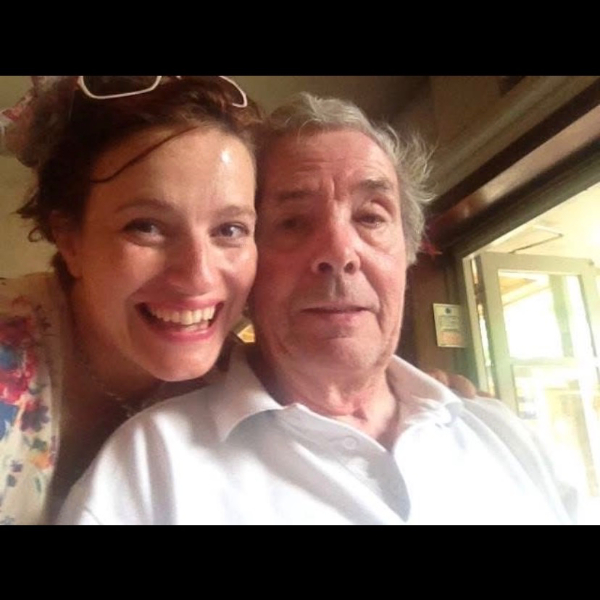
My English maternal grandad born in London also spoke of his father having had dementia, years before my grandads own early presentation hé worried he would fall to the same fate. I was a teenager when he spoke of this concern and thought nothing of it.
Both had siblings whom also had various presentations and types. All impacted uniquely, their diagnosis journey, treatment and support unique as they both were. Different generations my maternal grandfather was younger and much younger when he first showed obvious symptoms and likely much younger when the disease started. He had Frontal temporal lobe and Alzheimer’s. He was much more distressed and acutely felt the loss of his role as a business owner and craftsman actively working at the time he was diagnosed.
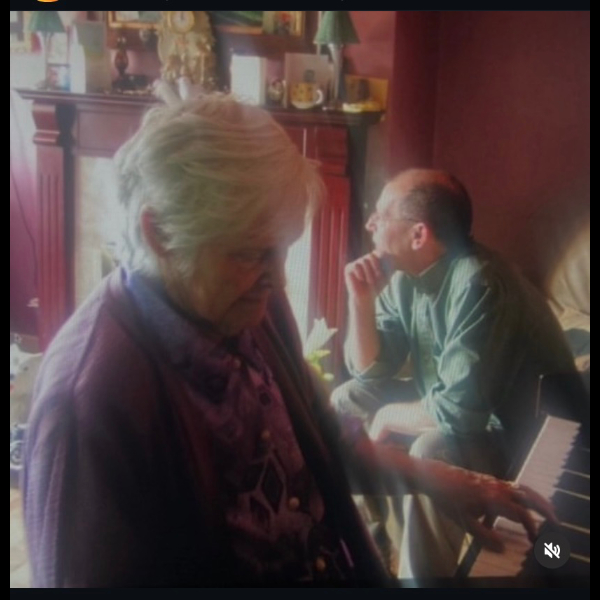
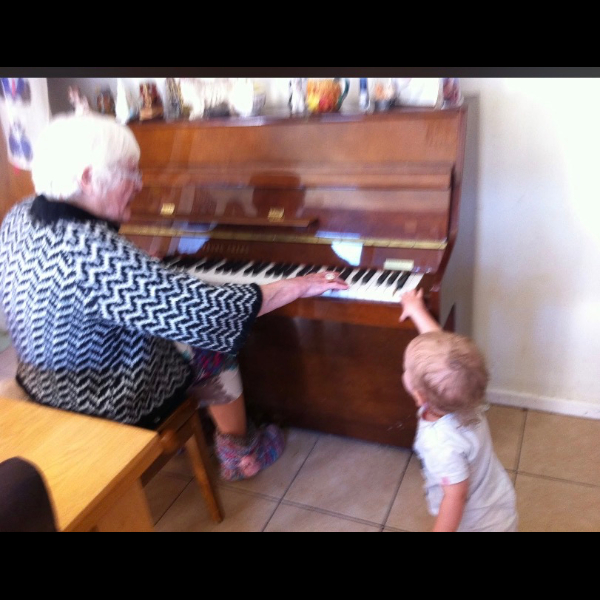
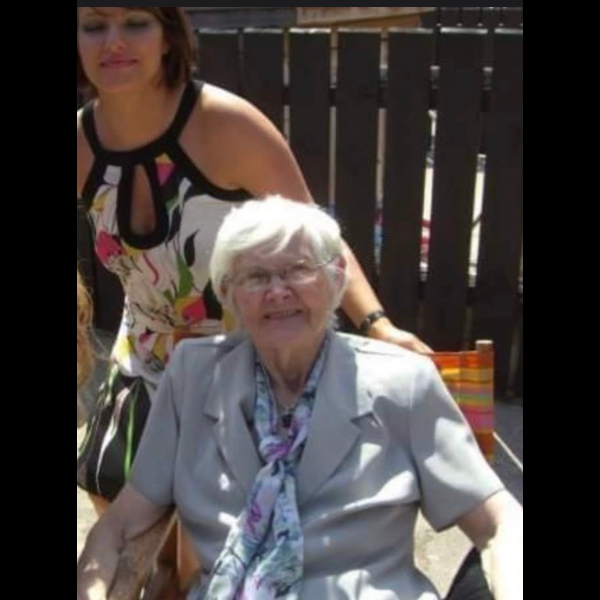
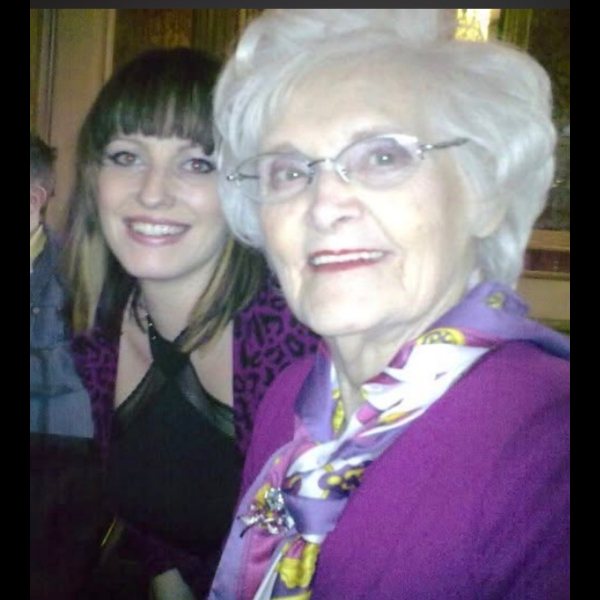
My grandmothers presentation was very gradual and the curve of decline was softened with the use of memory drugs, community day centre the club she was so find of attending, she seemed less aware of the loss she repeated so many times to me when I would visit “Sarah your memory winds right back, she would show me with hér hand, and smile gently to reassure me, I remember when I was a wee girl in school….
For a time peoole may not see it and would say “she is doting” a term for acceptable memory changes as a woman ages. It became very gradually apparent that it was more than…
In 2007 I was privileged to work as an occupational therapist and care manager with an incredible Multidisciplinary team of nurses, social workers, support workers, psychologists and Drs. During the time i was not able to appreciate how well we were resourced compared to now. Serving older people in a community mental health team, we worked with people presenting with memory problems from a broad range of demographics, a robust assessment process was emerging and often led to people receiving not only a diagnosis of dementia and type suspected. Also there would be comprehensive follow up of social and functional supports, carers assessments and signposting. The team were very hardworking and compassionate, client Consent and capacity was always considered and dignity was a priority as a team working with this group of the population.
My thesis ay university was related to dementia reality orientation compared to validation therapy, a therapy where the person with dementia’s perspective and reality is understood in the context of their lived experience, and their narrative is supported rather than opposed, thr present reality is not prioritised until the unmet need, expressed reality is given deep consideration and resolve. E.g a distressed pacing elderly woman outside the nursing station getting agitated when told to go an sit down, asked her what are you doing here replied in hér strong Lancashire accent “ Im waiting for the solicitor “ further questions cascaded the facts that she had become the main carers and executive of hér mothers will being the eldest growing uo on a farm, hé mother had died young and the woman found the environment transported her to this time and was reliving that distressing moment. The gentle questioning enabled a sense of what she was experiencing in hér current reality, and then gave the opportunity for her narrative to be expressed and some soothing to be offers. “Well let’s get a cup of tea and tell me more about how I can help. In the past this was seen as collusion of delusion or just inconvenient for busy staffs however this approach resulted in less PRn, less incidents of agitation leading to harm. Staff got to know their clients more and thus understand the context behind the behaviour. There was a time not so long ago when this seemed very rare to approach this way. For some peoole it seems natural (I found since I was small this seemed obvious) for some thing in my experience this approach is met with resistance and confusion, and reality of the now is seen a essential leading to isolation and compounding loss of connection.
The senses are so powerful and can be assessed amd reviewed to suooort peoole with dementia to activate memories and function even, iv seen a man unmoving for hours and days light up and stand up and dance to a piece of music hé recalled ( a daughter gave a polka song hé had loved in his youth i was able to retrieve, unlocking something joyful in the past connecting him in the present .
Visuals, food, objects of interest holding them playing woth them can really evoke. Thr senses can be a way to sooth distress, a hand or foot massage, aromatherapy, gentle bilateral music can soothe. Weighted blankets, even cuddle toys can be soothing. Sensory integration is very relent to living well and with dignity with dementia. My interest started when I was small i think a neighbour of my mums mum had dementia and I recall visiting q care home a few times with my nan and with my school we would sing carols to old people. Now look forward to walking in memory of those who have lived and died with dementia, least we forget….
Share
Every one is impacted by dementia it is relevant to us all, may we not only find a cure but start enabling people to live better with it now!